


Ape Warforts
4.6341.00 Reviews
App Specs
- Version
- 0.91.0
- Updated On
- License
- Free
- Downloads
- 100,000+
- Developer
- Tap4fun Trident Limited
- Categories
- Strategy
- Platform
- Android
Screenshots
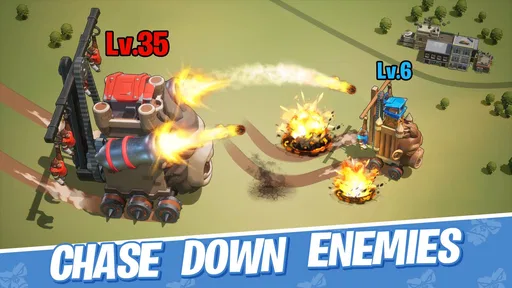
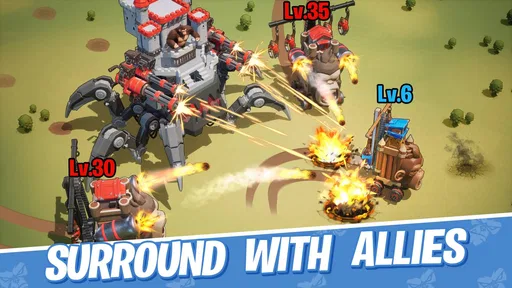
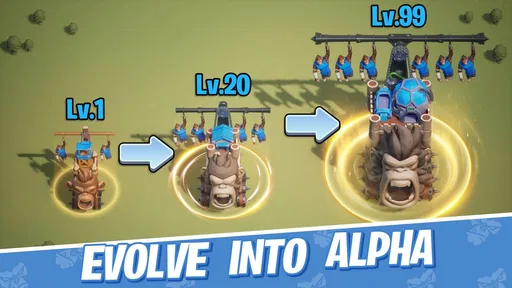
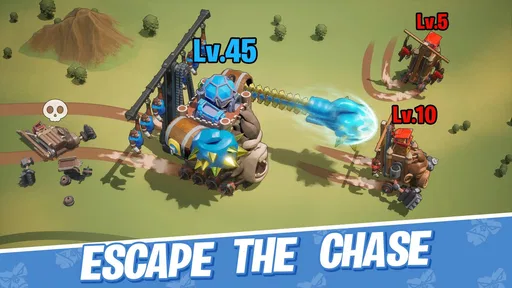
 Analysis by AppCompare
I approached Ape Warforts as a strategy game for short sessions first, then spent longer stretches trying to understand how comfortably its moving-fortress idea works in practice. The setting is immediately unusual: instead of managing a fixed kingdom or a familiar battlefield, you are dealing with mobile strongholds in an ape-themed world. That gives the game a stronger identity than many interchangeable base-building titles, although it also means the experience depends heavily on how quickly you can read the action and make decisions.
Developed by Tap4fun Trident Limited, it is free to start and aimed at Everyone. The game has reached over one hundred thousand installs and holds a 4.5 average from around seven thousand ratings, which suggests that its central concept is connecting with a meaningful audience. I would not treat those figures as a substitute for personal fit, though. The important question is whether you enjoy planning around changing positions, upgrading a war machine, and returning regularly to maintain progress.
How clearly the moving-fortress idea comes across
The strongest part of the presentation is the way the fortress concept gives ordinary strategy decisions a physical sense of place. In a conventional base-management game, buildings can feel like icons arranged on a permanent grid. Here, the idea of a fortress that moves makes every defensive and offensive choice feel more connected to the wider APE world. Even before mastering the deeper systems, I understood that the stronghold was not just a menu hub; it was the center of the game’s identity.
That clarity matters for new players. Strategy games often overwhelm people with currencies, timers, upgrade trees, missions, and unit information before they have learned why any of those elements matter. Ape Warforts has a more approachable starting point because the main fantasy is easy to explain: build up your fortress, improve its power, and compete in a world where position and preparation matter. I found that easier to remember than a long list of disconnected mechanics.
Navigation is most comfortable when I focused on one objective at a time rather than trying to inspect every available option immediately. My practical advice is to treat the early game as an orientation period. Follow the main progression, learn which screens lead to construction or combat, and resist spending resources simply because a button is highlighted. That habit reduces mental clutter and helps reveal which decisions actually affect your next move.
Readability is more than font size
For me, readable strategy design depends on hierarchy: the game should make the important action obvious while keeping secondary information available without competing for attention. Ape Warforts benefits from having a clear central fantasy, but the broader experience still asks the player to compare several kinds of information. Anyone who finds dense interfaces tiring should pause between actions instead of treating every notification as urgent.
I also recommend playing with the device held in the position that gives you the most stable view of the fortress and surrounding information. A small screen can make strategic inspection less comfortable than a larger phone or tablet, especially when several visual elements appear together. This is not a reason to avoid the game, but it does affect how much concentration each session requires.
Worth Reading Before You Choose

EA SPORTS FC Mobile 26 Is a Bigger Football Game, but It Takes Time

Flipboard Shows What News Apps Must Do Beyond the Feed

Switching to Android Auto Means Rethinking Your Driving Routine

Google Calendar Makes a Crowded Week Easier to Manage

Ludo King Makes the Most of the Minutes Between Plans

Baby Panda World Brings Quick Play to Modern Phones, but Its Game Library Feels Busy
The game is best suited to players who enjoy learning interfaces by doing. If you want every rule explained in a neat, uninterrupted tutorial, the transition from introduction to independent decision-making may feel less comfortable. I had a better experience when I accepted that some understanding would come from observing results: which upgrade improved my next objective, which action consumed time, and which choices could safely wait.
Motor and sensory considerations during play
Strategy games usually demand less rapid physical reaction than action games, and that is an important advantage here. The appeal of Ape Warforts comes from choosing, checking, and planning rather than from constant precision aiming. Players who prefer deliberate interaction may find it more manageable than a fast combat game, particularly when they can play at their own pace and separate planning from execution.
That does not make the game effortless for every player. Repeated tapping through menus, selecting small interface targets, or switching between information panels can become tiring for people with limited dexterity or hand fatigue. I would approach longer sessions in short blocks, keeping the device supported rather than holding it awkwardly. The game’s strategic pace makes that practical: there is little reason to rush every decision simply to keep up with an action-heavy title.
For players with visual sensitivities, the most useful approach is to control the surrounding conditions. A calmer display setting on the phone, a comfortable brightness level, and reduced environmental glare can make the fortress view easier to inspect. I would also avoid playing while moving through a busy environment. The game may be free-moving in its world, but the player still needs enough visual attention to distinguish useful information from decorative activity.
Audio is not something I would make central to the experience. I could still understand the strategic purpose of a session by watching the screen and following the available actions. That makes the game more flexible for quiet environments, shared rooms, or players who simply prefer silent play. At the same time, anyone who relies on audio cues as their main way of understanding a game should test the interface personally rather than assume that every important change will be communicated in the same way.
Why pacing helps some players and frustrates others
The slower strategic rhythm can reduce pressure, but it can also create a different kind of strain: remembering what you intended to do next. When a game asks you to return to upgrades, objectives, or fortress development, players with attention difficulties may benefit from choosing one immediate goal before leaving a session. I found it useful to end by identifying the next action in plain language, such as improving a particular part of the fortress or checking a pending objective later.
This is one of the less obvious strengths of the format. The game can fit around a busy day because it does not require the same uninterrupted reflex focus as a competitive action title. A commuter waiting for transport, a student taking a short break, or someone relaxing after work can make progress in manageable visits. The trade-off is that the experience may feel less satisfying if you only want a complete challenge from start to finish in one sitting.
On the other hand, people who dislike recurring check-ins should think carefully before committing. The free-to-play structure encourages ongoing engagement, and the game’s appeal is tied to gradual development rather than a single self-contained campaign. If your preferred strategy experience is a paid game with a fixed beginning and ending, a traditional offline alternative may suit you better.
Situational access: where it fits into everyday life
I tested the idea of using Ape Warforts in ordinary gaps in the day rather than treating it as a dedicated evening-only game. It works best when I have enough attention to read the screen but not necessarily enough time for a long uninterrupted session. For example, after finishing a household task, I can open the game, review the fortress, make one considered improvement, and stop without feeling that I abandoned an action sequence halfway through.
That use case is different from playing while walking, cooking, or doing anything that divides attention. Strategy may be slower than action, but it still requires decisions with consequences. I would not recommend using it in situations where you need to monitor traffic, listen closely to another person, or keep both hands available for something else. Situational access is possible, but it should mean flexible timing, not careless multitasking.
The game’s Everyone rating makes it broadly approachable from an age-classification perspective, yet that does not automatically mean it is ideal for every household. Younger players may understand the ape-world theme quickly, while the longer-term upgrade and resource decisions may require guidance. Adults considering it for a child should pay attention to how the child handles waiting, repeated goals, and optional spending rather than judging suitability from the rating alone.
In-app purchases range from $0.99 to $99.99 per item. That is an important practical consideration for families and for anyone who prefers to keep a strict entertainment budget. I would begin with a clear personal rule: play the free experience long enough to decide whether the fortress-management loop is genuinely enjoyable, and do not treat a purchase as a solution to boredom or impatience. The game is free to install, but the surrounding purchase structure means financial boundaries are part of using it responsibly.
Choosing the right device and session length
A larger display is likely to be more comfortable for players who need extra room to inspect the battlefield or interface. A phone is more convenient for quick checks, but convenience and legibility are not always the same thing. If you regularly struggle with crowded strategy screens, I would prioritize the device on which you can read and tap without rushing, even if that means playing fewer times during the day.
The minimum operating-system requirement is Android 8.0, so compatibility should be checked before planning around the game. The current version is 0.91.0, and keeping the app in a usable state matters particularly for players who depend on stable navigation. I would also leave enough storage and battery headroom for comfortable sessions instead of opening it during a moment when the device is already struggling.
One realistic routine is to use the game as a short planning break: open it when you have several quiet minutes, inspect the fortress, choose a single upgrade or objective, and close it once that decision is complete. This approach avoids turning every notification into an obligation. It also gives players who tire easily a natural stopping point, which is more useful than forcing a long session simply because there are more menus to explore.
Remaining barriers and important trade-offs
The biggest barrier is not the theme; it is the ongoing-management structure. Players who enjoy visible progress may appreciate developing a mobile fortress, but those who dislike timers, repeated upgrades, or resource decisions may find the loop demanding. The concept is distinctive, yet a distinctive setting cannot fully compensate for a progression system that does not match your preferred pace.
Another limitation is the potential gap between understanding the fantasy and understanding the optimal decisions. It is easy to know that you are building an ape fortress. It is harder to know which improvement deserves attention when several choices appear useful. My advice is to judge upgrades by the next concrete problem they solve rather than by their most impressive description. If your current obstacle is defensive survival, an attractive offensive improvement may be less valuable in that moment.
Free-to-play design can also affect accessibility in a broader sense. A player may have plenty of time but little disposable income, while another may have money to spend but very limited time. The same system can feel generous to one person and restrictive to another. I would skip the game if you know that optional purchases, slow progress, or the temptation to accelerate development will make the experience stressful.
Compared with a typical turn-based strategy game, Ape Warforts feels more connected to an evolving world and a persistent fortress identity, but it may offer less of the clean, self-contained satisfaction that comes from completing a carefully balanced scenario. Compared with a fast multiplayer strategy title, it is easier to approach without relying entirely on reflexes, yet it still asks for regular attention to development. Compared with a simple casual builder, it has a more focused war-fortress premise and demands more thought about priorities.
Those comparisons point to a clear audience. I would recommend it to someone who likes strategy with a strong theme, gradual advancement, and decisions that can be spread across several short sessions. I would be more cautious for players seeking a quiet puzzle, a fully offline experience, a one-time purchase, or a game that can be mastered without revisiting its systems. The unusual setting is a reason to try it, not a guarantee that the management loop will suit everyone.
Practical ways to make the experience more comfortable
Start with the main progression instead of opening every available menu at once. This keeps the first sessions easier to follow.
Choose one fortress goal per visit, especially if long lists of upgrades are tiring to process.
Use a supported device position and a display setting that reduces glare before attempting detailed planning.
Set a spending boundary before exploring optional purchases, particularly when several prices are available.
Stop when attention drops. Strategic mistakes made from fatigue are rarely worth extending a session.
These habits do not change the game’s underlying design, but they make its demands more predictable. They are also useful for distinguishing a genuine accessibility problem from a temporary setup issue. If the screen remains uncomfortable, the controls remain difficult to operate, or the progression feels stressful even after adjusting your routine, the game may simply not be the right choice for you.
My inclusive verdict on Ape Warforts
After spending time with it, I see Ape Warforts as a strategy game with a memorable premise and a flexible session structure. Its moving-fortress setting gives the usual upgrade-and-battle loop a more recognizable personality, while its deliberate pace makes it friendlier to players who do not want constant reflex pressure. I especially like that it can fit into a short break without requiring the same physical intensity as an action game.
Its inclusive qualities have limits. Dense strategic information, repeated tapping, visual concentration, and free-to-play purchasing choices can all become barriers depending on the player and situation. The Everyone rating makes the game broadly approachable, but families still need to consider spending habits and patience. Players with motor or visual needs should adjust their device setup and test whether the interface feels comfortable rather than relying on the genre alone.
I would recommend Ape Warforts to a friend who enjoys persistent strategy, likes unusual worlds, and is happy to make progress gradually. I would suggest skipping it in favor of a more self-contained strategy game if you want a fixed campaign, minimal recurring management, or no purchase pressure. For everyone else, the best way to approach it is patiently: learn the fortress flow, make deliberate choices, protect your attention, and decide based on whether the moving-world concept remains enjoyable after the novelty settles.
My final view is positive but measured. The game’s strongest accessibility advantage is its strategic pace, not a promise that every interface need has been solved. That distinction matters. Ape Warforts offers a distinctive setting, approachable long-term goals, and room for short, controlled sessions, but it still asks players to manage visual information and personal boundaries. If those trade-offs fit your habits, it is a worthwhile free strategy game to try; if they do not, another style of strategy game will probably serve you better.
Pros
- Fast-paced battles are easy to learn
- even for newcomers to strategy games.
- Base upgrades provide clear short-term goals and a satisfying sense of progress.
- Alliance features add teamwork and make large-scale conflicts more engaging.
- The cartoon-style ape theme gives the game a distinctive and lighthearted identity.
- Regular rewards help free players maintain progress without constant purchases.
Cons
- Later upgrades can require long waiting times unless speed-ups are used.
- Frequent combat may feel repetitive once the main battle patterns become familiar.
- Alliance activity is important
- which may limit enjoyment for solo players.
- The screen can become crowded with timers
- offers
- and event notifications.
- Competitive progress may favor players willing to spend heavily on resources.
FAQs for Ape Warforts
What is Ape Warforts and how does the gameplay work?
Ape Warforts is a strategy game centered on building a powerful base, managing resources, training troops, and fighting rival players or computer-controlled enemies. After installing it, you typically progress by upgrading structures, unlocking stronger units, and completing missions. The game combines base development with tactical battles, so success depends on both long-term planning and choosing the right troops for each encounter.
Is Ape Warforts free to download and play?
Ape Warforts can generally be downloaded and played without paying an upfront purchase price, but it may include optional in-app purchases. These purchases can provide resources, speed up construction, unlock special items, or offer other progression benefits. You can usually enjoy the core experience for free, although advancing more quickly or competing at higher levels may require patience if you decide not to spend money.
Does Ape Warforts require an internet connection?
An internet connection is usually important for Ape Warforts because the game may rely on online accounts, server-based progress, events, leaderboards, updates, and interactions with other players. Some portions of the game might load or remain accessible temporarily without a connection, but you should not expect the complete experience to work offline. A stable connection is especially recommended during battles and account synchronization.
Are there multiplayer features in Ape Warforts?
Yes, Ape Warforts is designed around competitive and social strategy elements, which can include attacking or defending against other players, joining groups or alliances, participating in rankings, and taking part in time-limited events. Multiplayer features can make progression more engaging, but they may also create pressure to upgrade regularly. Before downloading, check the current version for available modes and any age or chat restrictions.
Is Ape Warforts suitable for children, and what should parents know?
Parents should review the game’s official age rating before allowing a child to install Ape Warforts. Strategy games with online competition may contain fantasy violence, advertising, social interaction, and optional purchases. It is advisable to enable purchase restrictions, review privacy and chat settings, and check whether the game collects account or device information. The exact content and requirements can vary between Android and iOS versions.


